Data Analytics Solutions in Mesa, AZ
Data Analytics Solutions in Mesa, AZ
Mesa organizations sit on more operational data than ever, yet most teams still struggle to get consistent answers from it. SoftDoes offers data analytics solutions in Mesa that connect raw records to reliable dashboards, models, and governed platforms, so leadership can act on what the numbers actually say.
Let's build together.
Talk with a senior engineer about your product idea, architecture, and what it would take to build it.
90+
Active Client Partnerships
80+ Person
Product & Engineering Team
100%
Your Code & IP Ownership
U.S.-Led
Delivery & Accountability
Services we offer
- 01Data Analytics Solutions
> INSIGHTS THAT STAY IN SYNC <
Every Mesa operation generates records: transactions, logs, customer interactions, sensor readings. The challenge is turning that volume into something a team can actually use before the moment passes. Our engineers design custom data models and visualization layers that surface what matters, removing the guesswork from weekly reviews and executive reporting. Slow reporting, blind spots between departments, and inconsistent metrics are the problems we address head on. Data analytics services include business intelligence and reporting that keep pace with how fast Mesa teams move. We connect sources, clean incoming feeds, and produce dashboards and alerts tailored to the people who need them most. Descriptive analytics summarizes historical data to understand past performance, while diagnostic analytics examines data patterns to identify causes of issues, giving your team both the "what" and the "why."
> KEY OUTCOMES FOR ANALYTICS <
Here is what analytics work produces for our clients:
- Unified reporting across departments
- Near real time operational views
- Trusted metric definitions
- Ad hoc data exploration
- Faster alert response
- 02Data Science Services
> PREDICTION THAT MATCHES REALITY <
Data science combines statistics, mathematics, and computer science into systems that look forward instead of backward. Our data scientists use ML, statistical modeling, and controlled experimentation to forecast demand, spot anomalies, and segment users or operations. Predictive modeling can forecast customer demand and resource needs, which means your Mesa leadership stops reacting and starts planning. Local markets shift quickly. Manual analysis and gut decisions cannot keep up when conditions change week to week. Prescriptive analytics provides recommendations based on predictions, so teams know not just what will likely happen but what to do about it. We own the full cycle: problem framing, feature engineering, model training, deployment, and monitoring. Data analytics can help businesses prepare for AI applications, and our applied work is often the first real step in that direction.
- Demand and revenue forecasting
- Churn and retention risk detection
- Anomaly identification in operations
- Process and routing optimization
- 03Enterprise Data Management
> DATA THAT DOES NOT DRIFT <
When multiple teams run separate tools and databases, numbers start to conflict. Enterprise data management is the discipline of creating one consistent backbone: warehouses, lakes, integration layers, lineage tracking, and pipeline monitoring. SaaS and enterprise analytics are commonly used by businesses to unify data sources, and our engineers design that unification so every department references the same truth. Scattered systems, fragile integrations, and slow access are symptoms we see regularly. Data engineering and management involves cleaning and structuring data so downstream reports and models stay accurate over time. For Mesa organizations juggling legacy platforms alongside modern cloud tools, we create integration patterns that support compliance, audit trails, and clear ownership of every dataset. Data governance and quality are essential for ensuring compliance and data reliability across every layer.
- Single source of truth across systems
- Governed access and role controls
- Monitored and tested pipelines
- Robust data lineage documentation
- Outage resistant architecture
- 04Data Strategy and Governance
> RULES THAT MAKE DATA USEFUL <
Strategy without governance leads to orphaned dashboards and conflicting KPIs. Data strategy is the roadmap; governance is the operating model that enforces it. Our consultants run working sessions with Mesa leadership to define decision rights, metric ownership, stewardship roles, and approval workflows. The result is a framework that keeps analytics efforts coordinated instead of scattered. Unclear ownership, inconsistent definitions, and stalled projects are the practical consequences of missing governance. Data analytics solutions vary from enterprise consulting firms to cloud platforms, but without a strategy layer, none of them produce lasting value. We define policies, embed governance into daily tools, and create catalogs that make it easy for any team member to find, trust, and use the right dataset. Data analytics companies improve business decision making processes, and governance is what protects that improvement over time.
- Data catalog adoption and maintenance
- Regular access review routines
- Standardized metric definitions
- Change approval workflows
> INSIGHTS THAT STAY IN SYNC <
Every Mesa operation generates records: transactions, logs, customer interactions, sensor readings. The challenge is turning that volume into something a team can actually use before the moment passes. Our engineers design custom data models and visualization layers that surface what matters, removing the guesswork from weekly reviews and executive reporting. Slow reporting, blind spots between departments, and inconsistent metrics are the problems we address head on. Data analytics services include business intelligence and reporting that keep pace with how fast Mesa teams move. We connect sources, clean incoming feeds, and produce dashboards and alerts tailored to the people who need them most. Descriptive analytics summarizes historical data to understand past performance, while diagnostic analytics examines data patterns to identify causes of issues, giving your team both the "what" and the "why."
> KEY OUTCOMES FOR ANALYTICS <
Here is what analytics work produces for our clients:
- Unified reporting across departments
- Near real time operational views
- Trusted metric definitions
- Ad hoc data exploration
- Faster alert response

PRODUCTS BUILT ACROSS INDUSTRIES
Finance
Risk dashboards, automated reporting pipelines, and data quality checks keep financial teams confident in their numbers. Our business analytics work helps firms move from static spreadsheets to interactive, real time views.
Healthcare
Secure data engineering and governed reporting let healthcare organizations handle sensitive records responsibly. We design analytics layers that meet strict privacy standards without slowing down clinical or administrative insights.
Education
Learning analytics, enrollment pattern tracking, and operational dashboards give academic institutions visibility they rarely had. Our business intelligence work turns fragmented student and program data into clear, actionable views.
Construction
Tracking schedules, labor, and material flows across projects requires structured data strategy and reliable reporting solutions. We help construction teams see progress and bottlenecks without digging through disconnected files.
Technology
Product and platform companies use our analytics platforms and ML models to understand user behavior and system performance. Our data science services integrate directly with existing engineering workflows.
Startups
Early stage teams need analytics that are lean and informative. Our data analytics consulting covers MVP analytics setup, funnel tracking, and experimentation support that respects tight budgets and fast timelines.
Compliance
Audit ready reporting, full traceability, and controlled access are non negotiable in regulated environments. We implement a data governance framework that satisfies auditors and still lets teams work efficiently.
Energy
Operational dashboards, sensor data analytics, and consumption forecasting help energy organizations manage complex infrastructure. Our big data solutions handle the volume and velocity that energy systems generate daily.


Transparency at each stage
Discovery & Alignment
Defined goals and a precise roadmap ensure your vision is realized without unexpected pivots or hidden costs.
Technical Strategy
Senior engineers select the optimal tech stack with clear architectural reasoning for long-term scalability.
Iterative Development
Gain real-time access to code and staging environments with regular demos to track every milestone as it happens.
Careful Testing
Receive transparent QA, security, and performance audits to ensure a flawless and stable launch every time.
Deployment & Support
Stay in total control with full documentation and proactive monitoring to keep your systems running at peak performance.
Ready To Work With Mesa Data?
If your Mesa team is spending more time debating numbers than acting on them, that is a signal worth following. SoftDoes works alongside your analysts, engineers, and leadership to sort out data problems and set up systems that actually get used. Reach out to start a conversation about your current data landscape, no pitch deck required.

Numbers Don’t Lie
Recent projects showcasing how we design, engineer, and deliver production-ready software solutions.

- Startup
- Real Estate
Our Haus AI
A finance professional turned founder built Our Haus AI, an AI-powered collaborative workspace where homeowners and contractors scope, bid, contract, and document renovation projects together. SoftDoes took her prototype and made it production-ready.- 10XMVP scope delivered
- 2+years Ongoing partnership
- 1Fully owned Platform

- Finance
- Energy
Deepwater Insights
Deepwater Insights delivers proprietary alternative data and niche research on the offshore drilling and energy sector to institutional investors, family offices, and high-net-worth individuals who require coverage that larger firms don't provide.- 100%Brand Continuity
- 2Platform Distribution
- 100%Paywall-Ready Content

- Real Estate
The building buyer
The Building Buyer is a Florida-based real estate investment firm co-founded by Dylan Troiano and Charles Hanlin. They acquire single-family, multifamily, and commercial properties across South Florida and beyond, with a focus on motivated seller opportunities.- 18Weekly hours saved
- 2+Years Ongoing partnership
- 1Fully owned Platform

- Education
- Non-Profit
WOVEN & NICE
Woven is a Spring Valley, NY nonprofit running the NICE program (New Training Inclusive Community Environment) in four Rockland County schools. Their team supports students through restorative practices, mediation, and professional development for teachers and administrators.- 4Schools Served
- 4Weeks to Launch
- 1STTime on Upwork

- Healthcare
CareInTouch
CareInTouch is a Bay Area home health agency providing skilled nursing and therapy services to patients referred from hospitals and clinics. With over 100 staff, they operate in one of the most complex and compliance-driven healthcare markets in the country.- 40% Reduction In Billing Errors
- 100+Staff Operations Managed
- 0Missed Compliance Deadlines

- Startup
Sparkle The Cleaning Service
Sparkle The Cleaning Service is a Detroit-area residential cleaning company with 10 years in business, connecting homeowners with vetted, insured independent cleaners through a subscription-based marketplace platform.- 75% Platform Transparency
- 2XPlatform Growth
- 40%Higher User Retention

- Startup
DineMate
DineMate is a Maryland-based dating and connecting platform built around verified profiles, restaurant reservations, and prepaid dining experiences. Founded to bring back authenticity to how people meet and connect.- 60% Time Saved
- 99%System Reliability
- 40%Higher User Retention

- Healthcare
Prior Authorization AI
Prior Authorization AI is a healthcare automation startup building AI-powered tools to streamline prior authorization for Medicare and Medicaid medical transportation providers in New Jersey.- 16Weekly hours saved
- 63%Admin time reduced
- 43%Fewer submission errors

- Education
Grand Central Language Services
Grand Central Language Services provides translation and interpretation for organizations operating in complex, multilingual environments. As demand grew, internal workflows became harder to manage. SoftDoes built a custom platform to streamline coordination, improve visibility, and support scalable operations.- 72%Workflow Reduction
- 48%Coordination Reduction
- 83%Visibility Increase

- Healthcare
FMY Orthodontics
FMY Orthodontics, a multi-location practice in West Tennessee, partnered with SoftDoes to replace a spreadsheet-based financial workflow with a custom web platform. The goal was to simplify how staff present treatment financing while allowing patients and families to review and complete decisions remotely.- 60%Workflow Reduction
- 75%Remote Adoption
- 5Locations Aligned

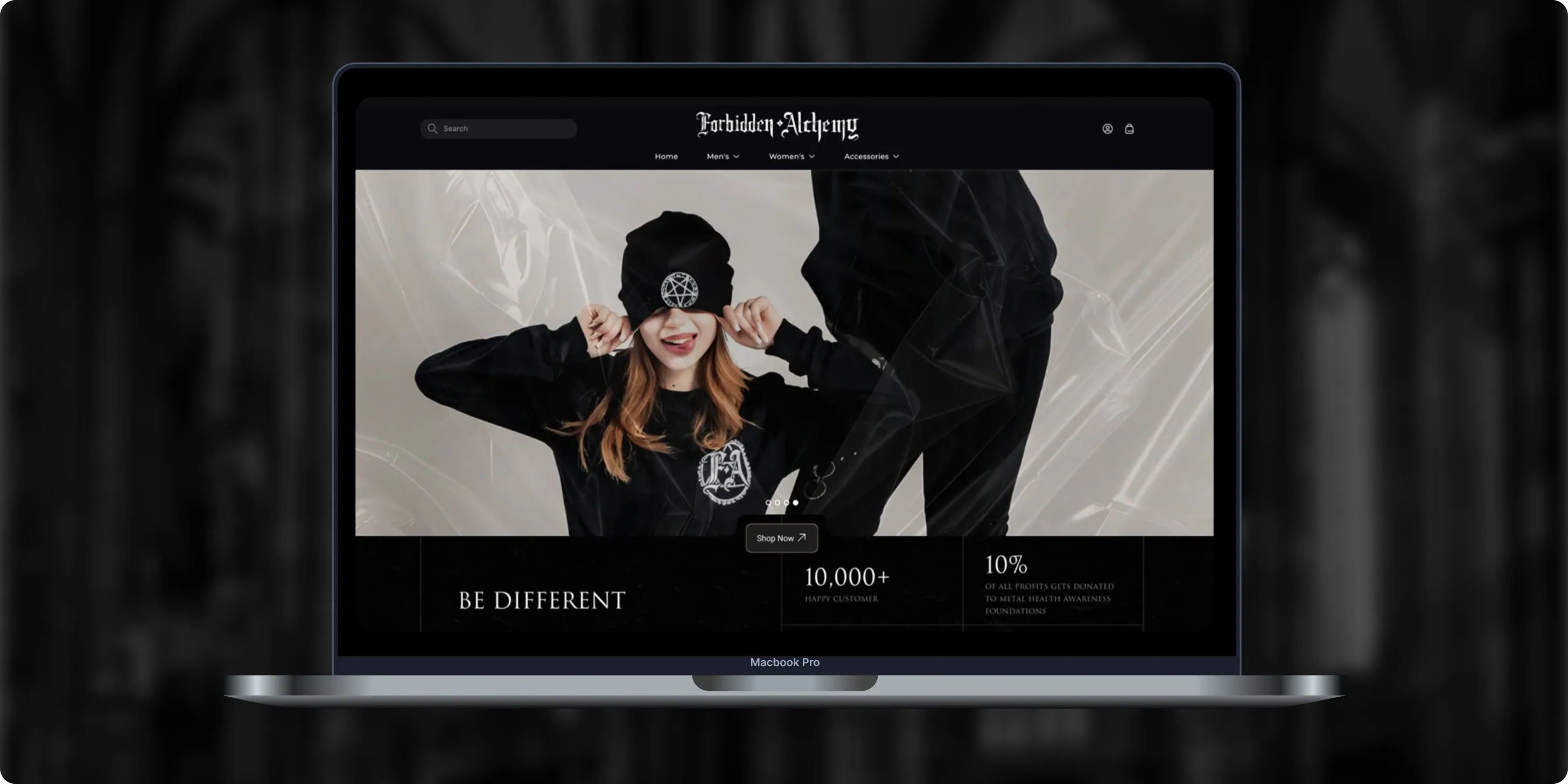
Forbidden Alchemy
Forbidden Alchemy is an alternative fashion brand creating dark, provocative clothing for the metalhead community, with 10% of profits donated to mental health awareness. Its mostly mobile audience struggled with a store that was hard to navigate and weak on functionality.- +44%Revenue Month Over Month
- 86%Design Satisfaction
- 2.8XUser Retention Growth
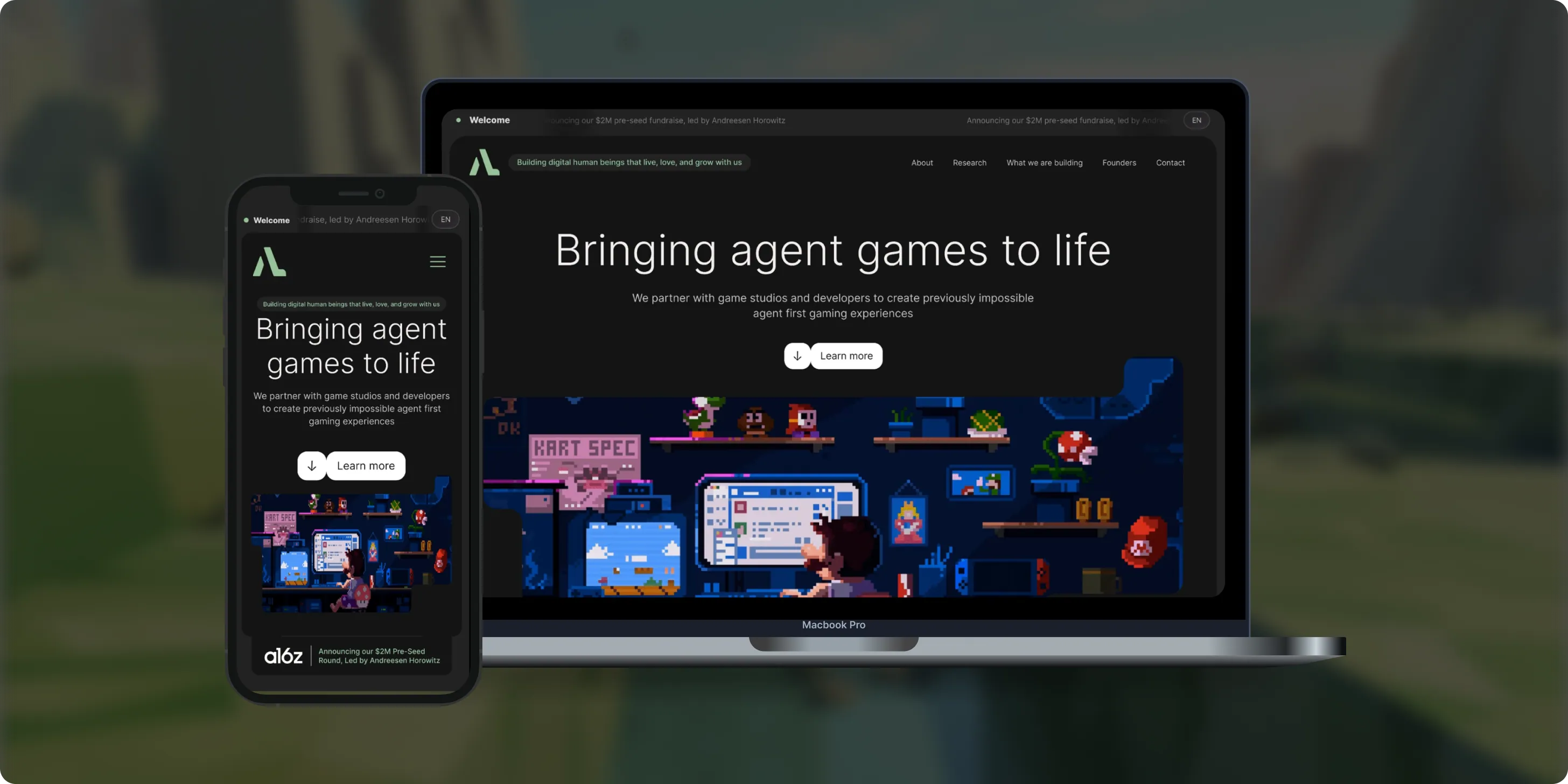
Altera
Altera builds on decades of computational neuroscience research to create digital human beings for gaming. Backed by a $2M pre-seed round led by Andreessen Horowitz, the team needed a landing page that could explain complex agent technology to players, partners, and investors.- 98%Dynamic Customization
- 100%Streamlined Navigation
- $2MPre-Seed Round
- Real Estate
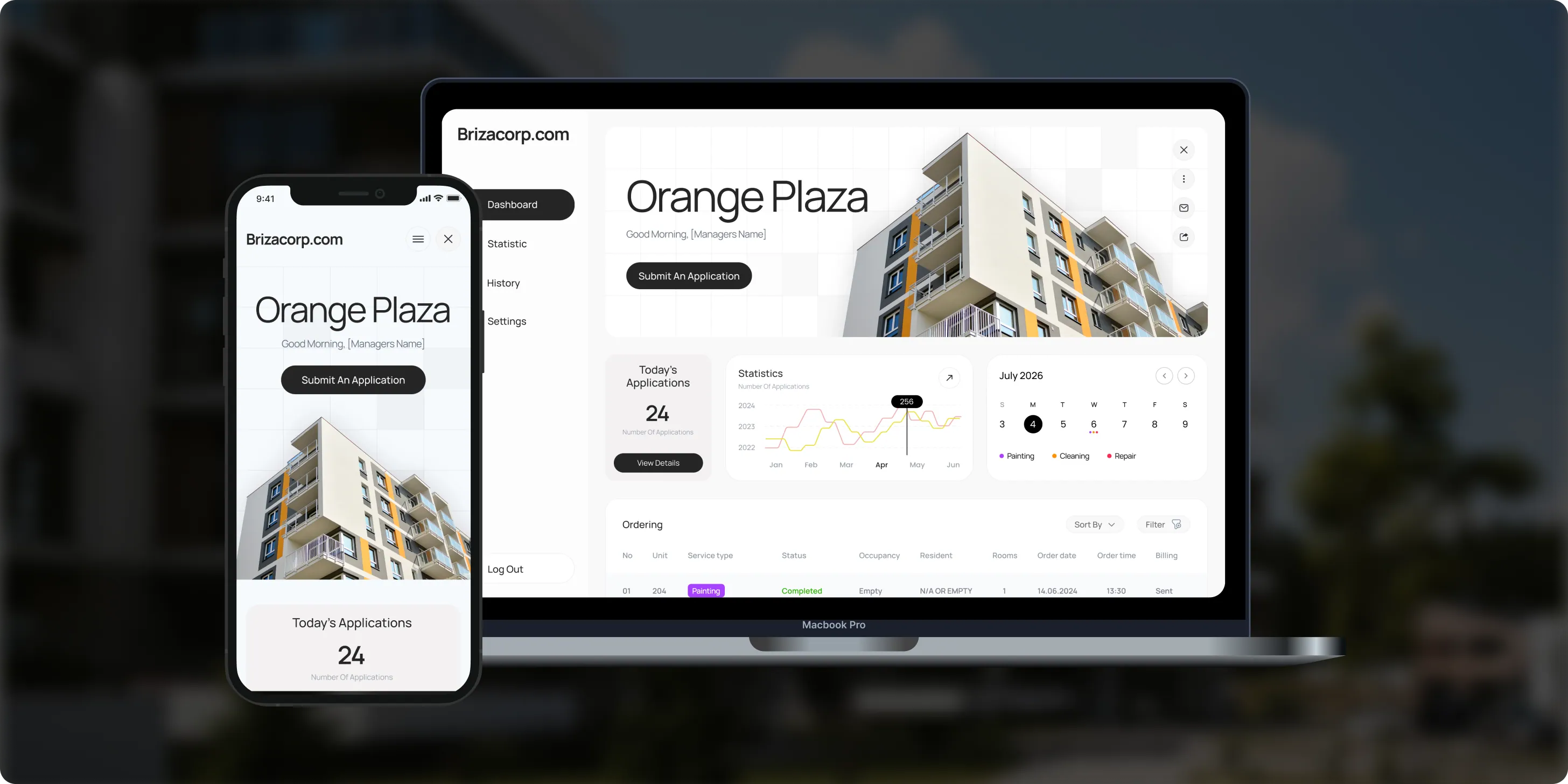
Brizacorp
Brizacorp manages residential properties and coordinates the staff who handle painting, cleaning, and repair requests. Its team tracked work across messengers, phone calls, e-mail, and paper planners, with no single place to manage requests or measure performance.- 98%Application Stability
- 95%Utilization Rate
- 30%Faster Task Completion
Color & Harmony
Color & Harmony is a Kentucky-based color consulting studio led by certified color strategist Diana Cartaya. The studio needed a website that reflects its refined aesthetic, showcases its portfolio, and explains a science-based color process in simple language.- 45%Conversion Rate Increase
- 50%Higher User Engagement
- 2Months to Launch

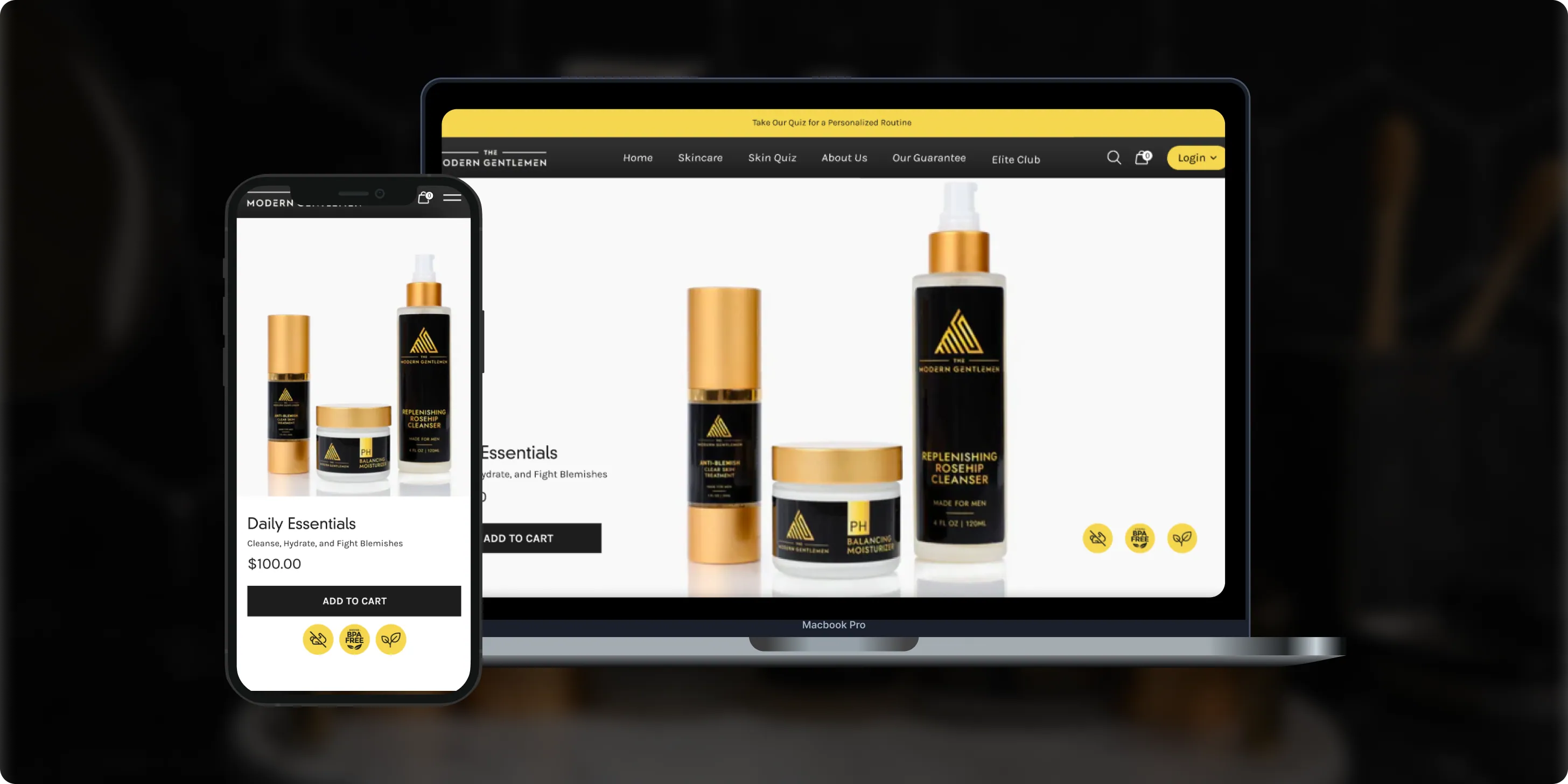
The Modern Gentlemen
The Modern Gentlemen sells premium men's skincare featured in Men's Health, GQ, and Men's Journal. Its customers wanted an efficient routine, but generic product suggestions and limited skincare knowledge made choosing the right products hard.- 30%Increase in Conversions
- 25%Higher Customer Retention
- 92%Mobile Purchases
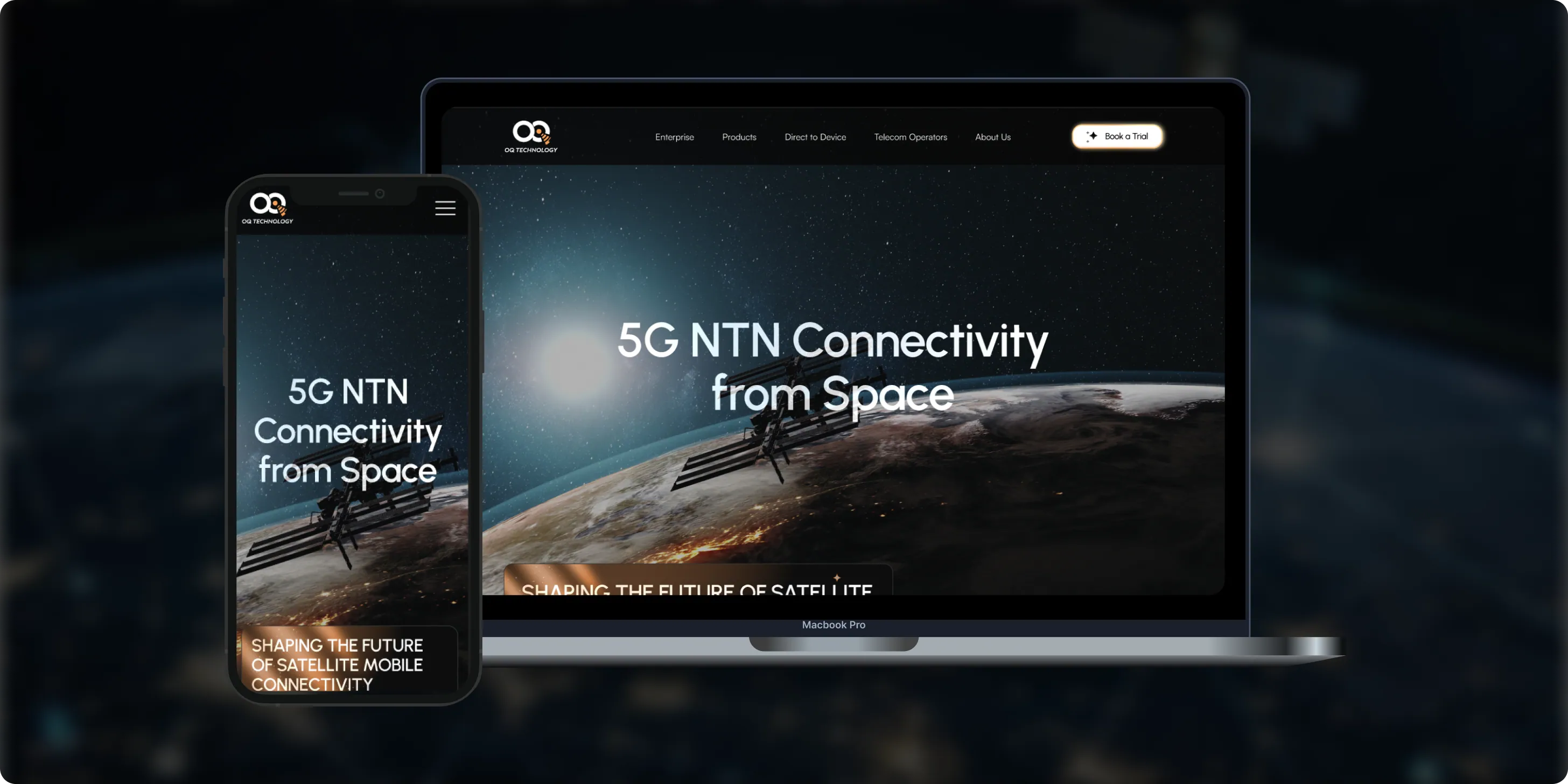
OQ Technology
OQ Technology connects IoT devices, machines, and people anywhere on the planet through its satellite network, serving energy, maritime, logistics, agriculture, and mobile operators. Its website made it hard to explore products and reach pricing plans.- 4Pricing Plans Clarified
- 3Dedicated User Flows
- 1Unified Platform
- Real Estate
- Finance
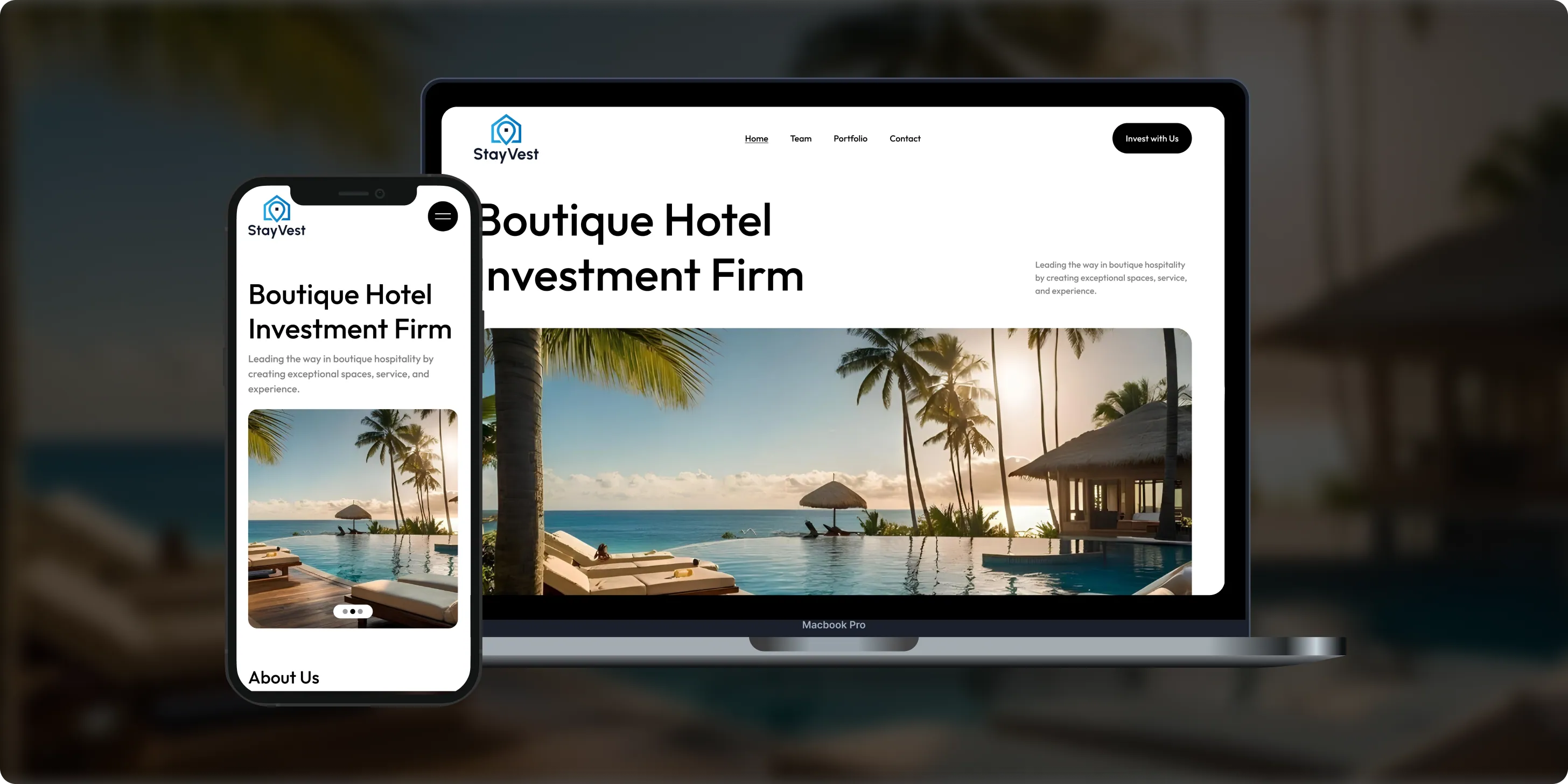
Stay Vest
Stay Vest is a private real estate investment firm that acquires, renovates, and operates boutique hotels for cash flow, tax benefits, and equity gain. It needed a platform that explains its strategy and earns the trust of passive investors.- 1,500+Guest Stays
- 200+Rooms Managed
- 5States Covered
Bokeyno Motorsports
Bokeyno Motorsports is the leading mobile installer of vertical doors for high-performance cars. This Shopify website isn’t just about services—it’s a bold statement of power, style, and expertise. With a sharp layout, strong visuals, and real-world case studies, the site delivers all the information car enthusiasts need to book confidently and instantly.- 54%Booking Requests
- 43%Lead Conversion
- 32%Qualified Inquiries

ai document processing platform
A comprehensive talent solution designed to help companies attract, hire, and retain top talent more effectively. The platform combines AI-powered recruitment technology with employee financial wellbeing programs, enabling smarter hiring decisions while supporting employees’ financial stability and long-term engagement.- 62%Faster Processing Time
- 78%Less Manual Work
- 35%Improved Accuracy

WHAT CLIENTS SAY
Independently verified reviews from real clients on Clutch.co


Client Story
Real feedback from
FMY Orthodontics

“Their perseverance and solution-oriented mindset. SoftDoes consistently found ways to make things work, added features we had not originally envisioned, and never became frustrated. It felt like working with a true partner who cared about the success of our practice.”
Dan Merwin
DDS, MS -- President, FMY Orthodontics

Client Story
Real feedback from
Prior Authorization AI
“Every time I sent a request, if there was anything that didn't work, they were able to turn it around quickly. Even when there were no updates yet, they always reached out to let me know they were working on it.”
Joseph Oluwo
Founder of Prior Authorization AI


Client Story
Real feedback from
WOVEN
“What stood out most was their commitment to understanding our needs before presenting solutions.”
Danna Pastran
Administrative Operations Manager, WOVEN

Client Story
Real feedback from
Grand Central Language Services
“The site performs as intended and provides the foundation for our company's digital presence.”
Joe Goldstein
QA Manager, Grand Central Language Services


Client Story
Real feedback from
DineMate
“They go above and beyond.”
Eric Snead
CEO, DineMate "Dating Connecting Platform"
WHAT CHANGED IN PRACTICE
Clients didn’t stay because of promises. They stayed because delivery became predictable, ownership was clear, and the product kept moving forward after launch.
- 01Direct Access to Senior Engineers
Experienced staff handle the core analytics, engineering, and ML work from day one. There is no chain of junior associates filtering your requirements through multiple layers before someone qualified sees them. Mesa clients speak directly to the people who write queries, design data models, and architect data flows. This shortens feedback loops and keeps communication straightforward. Advanced analytics problems require experienced judgment, not template thinking. Our approach reduces rework and leads to cleaner, more accurate outputs because the person doing the work is the same person discussing it with you.
- 02Predictable Delivery
Work is broken into clear milestones, each with visible outcomes and demos you can evaluate. Timelines and scope are agreed before engineering starts, with explicit assumptions and constraints documented. Mesa clients receive regular check ins, typically weekly reviews of dashboards, pipelines, or model performance. Risk is surfaced early whenever dependencies or data quality issues appear in data engineering projects. We do not wait until a deadline to mention a blocker. Even smaller efforts follow the same structured approach, because consistency matters regardless of project size.
- 03Built to Last Past Launch
We design analytics, models, and data systems to remain understandable long after go live. Readable code, clear documentation, and thoughtful naming for tables and metrics are standard practice on every engagement. Mesa teams can extend reports or pipelines without starting from scratch or relying on tribal knowledge. Every data platform we create includes testing, monitoring, and alerting patterns that keep systems healthy over time. New teammates joining your organization can learn the system quickly because structure is baked in from the start. This is not about perfection; it is about making future work easier instead of harder.
- 04No Babysitting Required
SoftDoes operates with high autonomy once direction and goals are set. We communicate proactively about risks, options, and tradeoffs in analytics work without waiting to be asked. Mesa leaders do not have to micromanage tickets or chase down status updates for their business intelligence solution. Progress updates, concise reports, and shared boards keep everyone aligned without adding meetings to your calendar. We flag decisions that need your input and move forward on everything else. This lets clients stay focused on strategy while we handle the execution with full transparency.
Technologies We Use
 Tableau
 Microsoft Power BI
 Looker
 Qlik Sense
 Apache Superset
























Frequently Asked Questions
Everything you need to know about working with SoftDoes. Can’t find an answer?
Can a data lakehouse replace a data warehouse?
A data lakehouse can replace a data warehouse for many companies, because it stores raw files cheaply and still supports SQL analytics, governance and transactions. Teams with strict reporting needs and mostly structured data may keep a warehouse, or run both. The choice depends on data types, tools and skills. SoftDoes helps Mesa companies weigh this through our data analytics solutions.
Why is a data warehouse important?
A data warehouse matters because it puts data from many systems in one place, cleaned and organized, so every report uses the same numbers. Sales, finance and operations stop arguing over spreadsheets, and queries run fast without slowing down live systems. History is kept for trend analysis. Mesa businesses can build one with SoftDoes as part of our data analytics solutions.
What is healthcare data analytics?
Healthcare data analytics is the use of clinical, claims and operational data to improve care, cut costs and run facilities better. Hospitals use it to track readmissions, staffing, bed use and quality measures, while clinics study no-show rates and billing delays. Data must stay HIPAA-protected throughout. SoftDoes builds these dashboards and pipelines for Mesa providers through our data analytics solutions.
How do you implement data analytics in a company?
To implement data analytics in a company, start with the business questions, map where the data lives, clean and centralize it, then build dashboards people actually use. Assign owners for each metric and train staff to read the reports. Start small and expand. A reporting dashboard starts from $7,000 at SoftDoes, and Mesa companies can begin with our data analytics solutions.
How do you scale a data warehouse?
You scale a data warehouse by separating storage from compute, partitioning large tables and moving heavy workloads to their own compute clusters. Cloud warehouses add capacity on demand, while materialized views and incremental loads keep queries fast as data grows. Watch query costs as volume rises. SoftDoes helps Mesa teams plan this growth through our data analytics solutions and cloud partnerships with AWS and Google Cloud.
How do defense contractors in Mesa use data analytics?
Defense contractors in Mesa use data analytics to track supplier quality, production yield, on-time delivery and program costs across contracts. Analytics also shows who accessed controlled unclassified information and when, which helps with CMMC evidence. Data has to stay in controlled environments with strict permissions. SoftDoes builds analytics for defense suppliers working toward CMMC. See our defense tech software work.
What should a healthcare company in Mesa budget for data analytics?
A Mesa healthcare company should budget from $7,000 for a SoftDoes reporting dashboard, with more for HIPAA safeguards, EHR data feeds and extra data sources. Cloud warehouse and BI license fees are separate, so check the vendor's current pricing. Maintenance starts from $500 a month. A 2-4 day discovery gives a fixed-price first phase. See our healthcare software work.
Top AI for Financial Software Development in 2026: Best Platforms, Models & Tools
AI
AI is no longer a pilot project at the edge of financial services. In 2026, it sits at the center of how banks, lenders, insurers, and fintechs build and run their software.
How to Build a Stock Trading Platform in 2026: From Idea to Regulated Launch
Fintech
Custom Legal Software vs Clio: When to Stick, When to Build
Web development
Clio dominates the North American legal practice management market for a reason: it works out of the box for most firms with standard workflows. But not every firm fits that mold. Once your intake rules, billing logic, or reporting needs outgrow what packaged tools can support cleanly, the question shifts from "which plan?" to "should we build?"